
Gabion Systems - Types, Components & Installation Methods
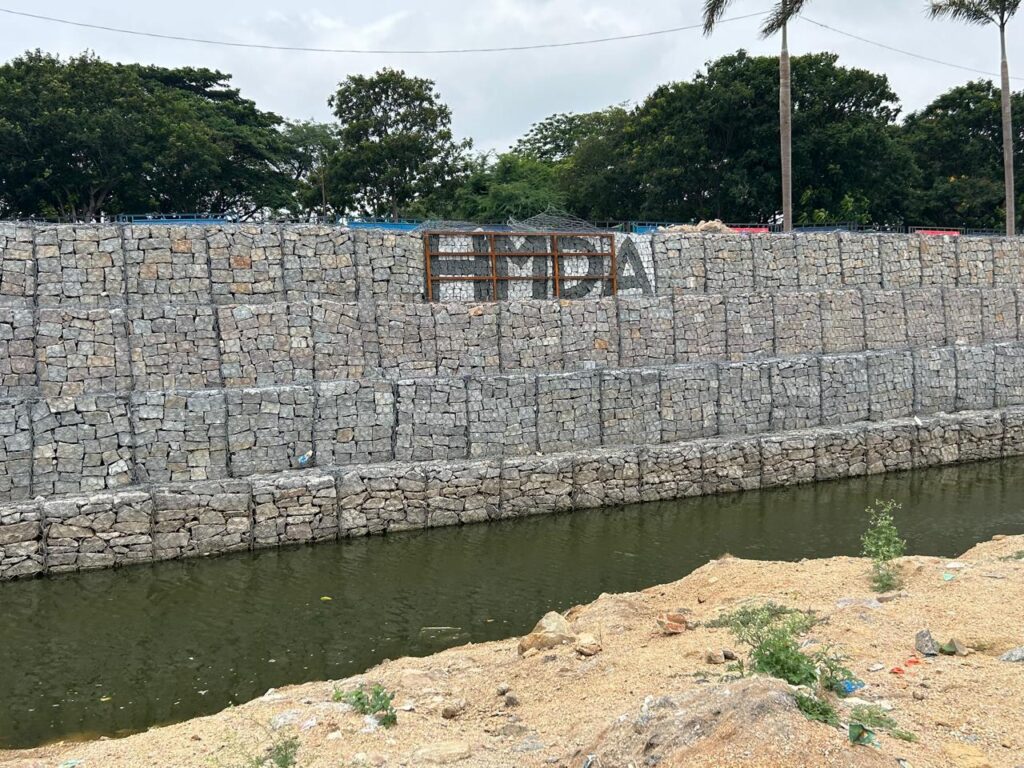
A Gabion Structure is a modular cage or basket made of double-twisted wire mesh filled with stones or rocks. These act as gravity retaining structures, relying on their significant mass to stabilize slopes, prevent erosion, and guide water flow.
1. Types of Gabion Structures
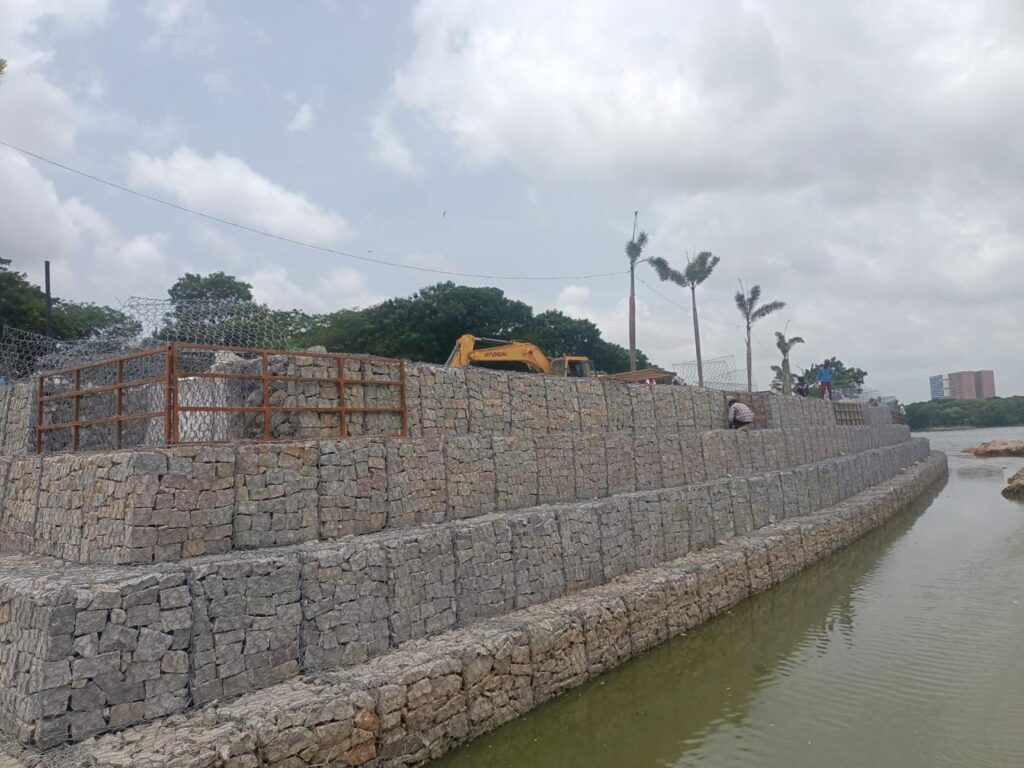
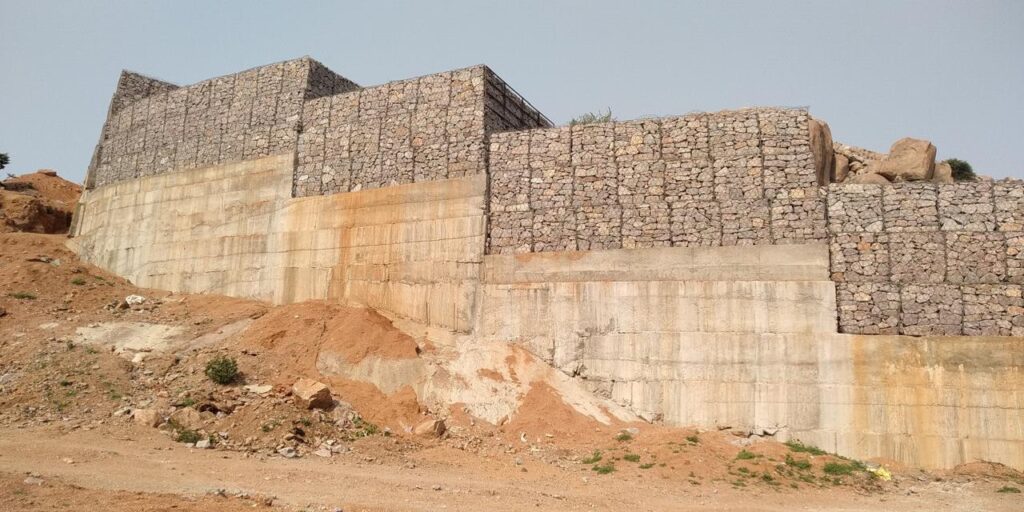
Different shapes are used depending on the engineering requirement:Gabion Baskets: Box-shaped units (e.g., 2m x 1m x 1m) used for stacking into vertical or stepped retaining walls.
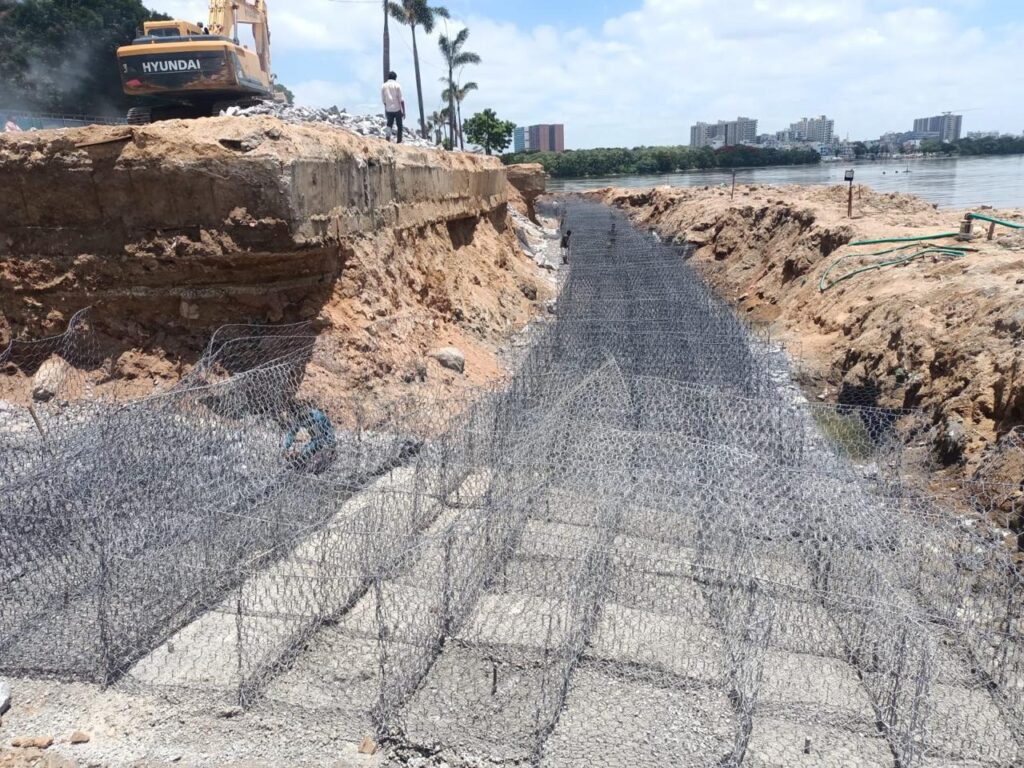
Gabion Mattresses (Reno Mattresses): Flatter, wider units (usually 0.17m to 0.3m thick) laid on riverbanks to prevent scour and erosion.
Gabion Sacks: Cylindrical units used in emergency flood protection or underwater foundations.
Architectural Gabions: Thinner walls or decorative pillars used in landscaping, often with specific stone textures for visual appeal.
2. Core Components
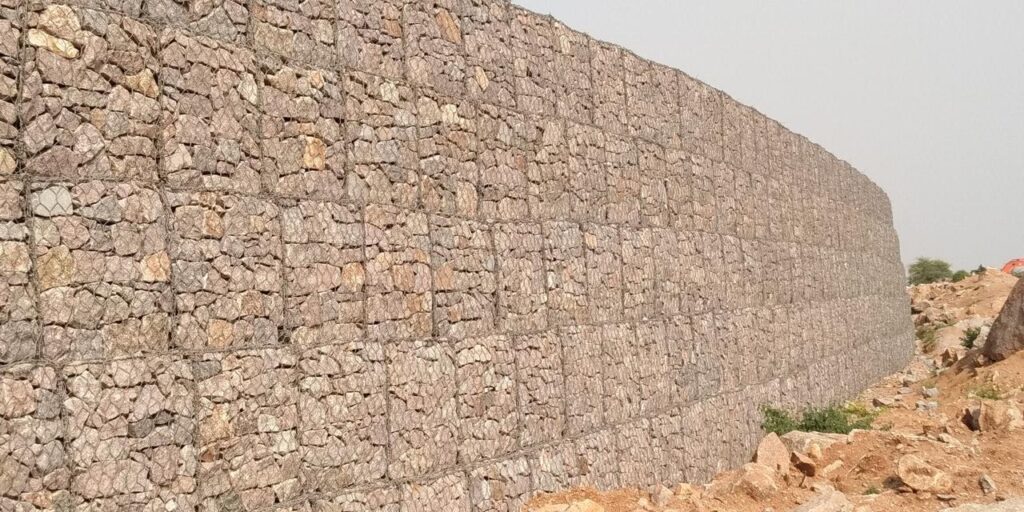
Wire Mesh: Made from heavily galvanized steel or PVC-coated wire to resist corrosion.Rock Fill: Dense, hard stones (like granite or basalt) larger than the mesh opening to ensure they stay contained.
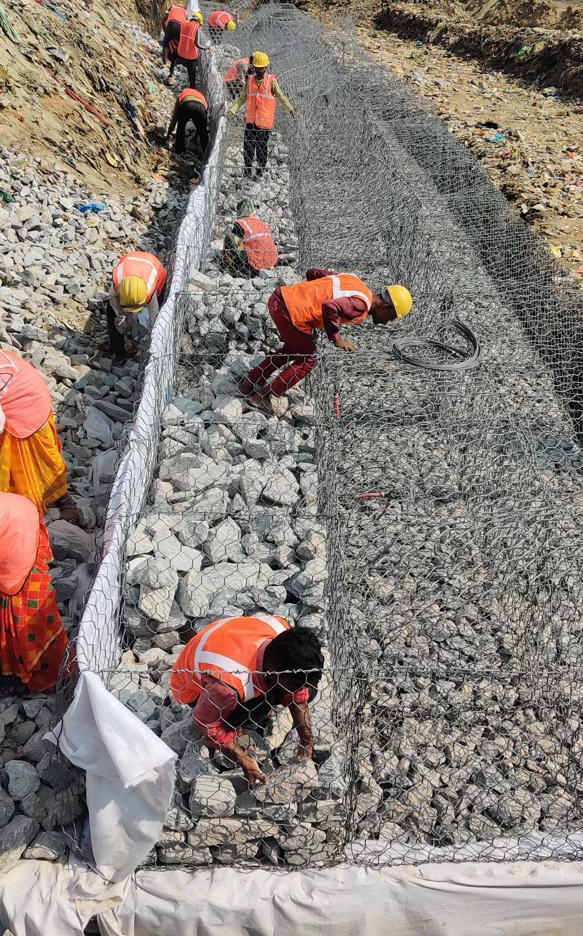
Filter Media: A non-woven Geotextile fabric is placed behind the gabion to prevent soil particles from washing through the stones.
3. Key Advantages
Permeability: The voids between rocks allow water to pass freely, eliminating hydrostatic pressure buildup.Flexibility: Unlike concrete, gabions can deform slightly without cracking, making them ideal for unstable or settling ground.
Eco-Friendly: They allow for vegetation growth within the crevices, eventually blending into the natural environment.
4. Installation Steps
Leveling: Prepare a level base; most low-height gabions do not require a concrete foundation.Assembly: Unfold the flat-packed baskets and lace the edges together using specialized wire or steel spirals.
Filling: Fill the baskets in layers (usually 1/3 at a time), compacting or hand-packing the front face for a neater look.
Tensioning: Use internal stiffeners (connecting wires) between layers to prevent the cages from bulging under weight.
1. What are gabion structures mainly used for?
Gabions are commonly used for retaining walls, riverbank protection, erosion control, slope stabilization, and landscaping features where drainage and flexibility are important.
2. What type of stones are suitable for gabion filling?
Hard, durable rocks such as granite or basalt are preferred. The stone size should be larger than the mesh openings so they remain securely contained.
3. Do gabion walls require a concrete foundation?
Most low-height gabion installations only need a properly leveled and compacted base. Concrete foundations are usually required only for high-load or structural applications.
4. Why are gabions considered better for drainage compared to concrete walls?
The spaces between the rocks allow water to pass through freely, reducing hydrostatic pressure and minimizing the risk of wall failure.
More Services
Contact With us
Flat no 102, Srinilayam, Mathrusree Nagar
Hafeezpet, Miyapur, Hyderabad, Telangana 500049
soilsolprojects@gmail.com
techgeoindustries@gmail.com